A New Holiday—Virtues & Sins Day

That’s right. Virtues & Sins Day. One of the five major holidays of the Oceanism religion. Haven’t heard of Oceanism? That’s the new religion that caught on in the world of my book, The Seastead Chronicles. Today also marks one year since the book got published.

All the priests in the Oceanism hierarchy call it Virtues & Sins Day, but everyday Oceanists call it Shalls & Shants Day—better alliteration. For Oceanists, the holiday presents an opportunity to reflect on how they’re living their life. Are they living in accord with the five virtues of Oceanism and are they avoiding its five sins?  
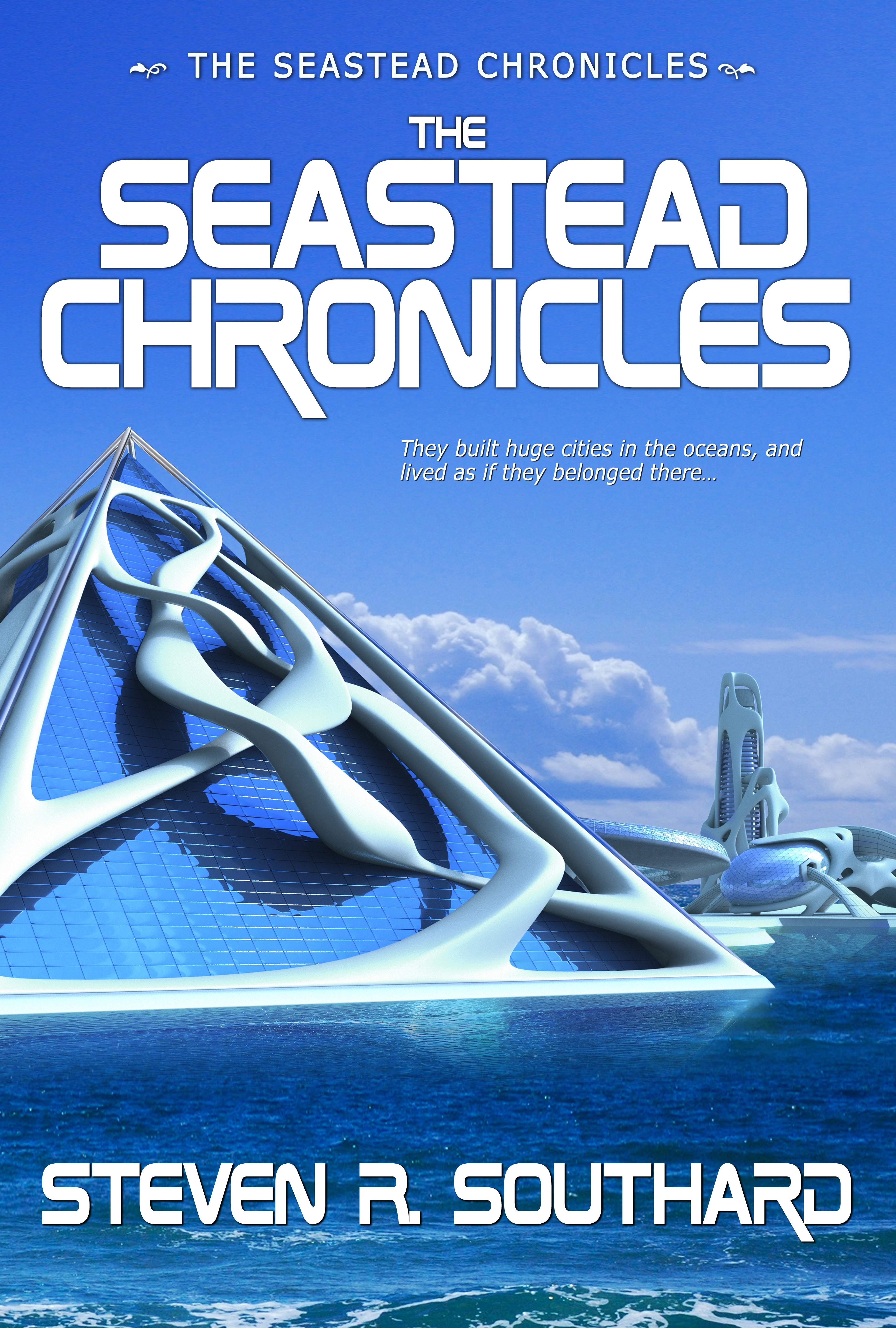
The Seastead Chronicles

Stories in the book span the near-future construction of the first permanent seasteads through a century spent colonizing the seas and creating a new, oceanic culture. A part of that culture includes the rise and spread of Oceanism.

What’s a “seastead?” Like a homestead, it means a home in a new and previously unclaimed area. Unlike a homestead, the area of a seastead lies in an ocean or sea.

Though I mention Oceanism in a few of its stories, nobody would call The Seastead Chronicles a religious book. Its stories include adventure, mystery, love, war, music, mankind’s relationship with nature, and other themes. I’ve written stories about people struggling to survive and thrive in homes at sea. The environment they set out to change, changed them.

You may purchase the ebook and/or paperback versions of The Seastead Chronicles on Amazon here and here, at Barnes & Noble, at Books2Read, at Rakuten Kobo, at Abe Books, and at Thriftbooks.

This wish for a happy Virtues & Sins Day comes to you from—

Poseidon’s Scribe
The Other Ink—Tattoos in Fiction

Do one or more tattoos adorn your skin? About a third of Americans can say yes. How many tattooed fictional characters can you name? Today, I’ll discuss the use of tattoos in fiction, and mention how and where I’ve used tattoos in my own writing.  

Examples

I remembered only two tattooed characters in the books I’ve read. Queequeg, in Moby-Dick by Herman Melville, bore tattoos of mystical symbols theorizing about heaven and earth.

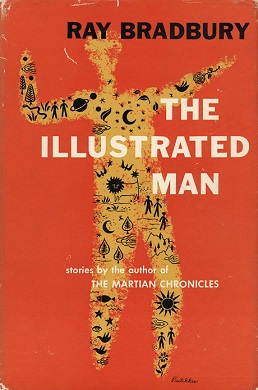
Mr. Dark, in The Illustrated Man by Ray Bradbury, sported tattoos over most of his body. They seemed to move, and to depict stories—tales which form the book. Disney used that notion of moving, story-telling tattoos in the movie Moana.

I need to read more. My memory of tattooed characters ended there and didn’t scratch the skin’s surface. This post by Dan Sheehan and this one by Marjorie M. Liu cited many more interesting examples.

Uses

As they do with real people, tattoos reveal aspects about fictional characters. The placement and art of the tattoo tell the reader facts about the character in an immediate and visual way. You may also infer things by clothing, but people change their clothes, not their tattoos. Tattoos make a permanent statement. This post by June Gervais provides great advice for writers regarding the uses and correct terminology of tattooing.

Seastead Tattoos

In my book, The Seastead Chronicles, tattoos play a role, and appear in three varieties—bioluminescent, full-body skin dyeing, and forehead tattoos.

Bioluminescent Tattoos

In the story “A Green Isle in the Sea,” I show minor characters possessing tattoos that glow. Moreover, characters can turn them on and off like flashlights or, more appropriately, like some deep-sea creatures. A handy feature if power fails and the seastead loses all lighting.

I know a type of bioluminescent tattoo exists today, but it requires black light (ultraviolet) to see, doesn’t glow in the dark, and can’t be turned on and off.

Full-Body Skin Dyeing

Starting with “First Flow of the Tide” and continuing in later stories, I make use of full-body skin dyeing. Adherents of the Oceanism religion may undergo a practice called Immersion, as a way of affirming devotion. During Immersion, skin over the entire body gets permanently dyed in some water-related color like blue or green or a mix. Not only does this demonstrate fealty to Oceanism, it also hides the character’s born race, at least regarding the trait of skin color.

Forehead Tattoos

Another aspect of Oceanism’s Immersion ceremony involves tattooing the image of a sea creature on the forehead. Many choose the five-armed starfish, a symbol of Oceanism itself. However, believers may opt for any sea creature, and that choice often tells something about the character.

What Now?

Did I put you in the mood to get a tattoo? If so, let me know what you get. Did I inspire you to write about a tattooed character? If so, tell me about that. As for me, I’ll never reveal where my tattoo is, the one bearing the title—

Poseidon’s Scribe

Will Oceanism Become Your New Religion?

Sometimes science fiction authors create religions for their stories. According to Wikipedia, they do this to satirize, to propose better belief systems, to criticize real religions, to speculate on alien religions, to serve as stand-ins for real religions, or other reasons.

Examples

I could cite many cases of this, but I’m most familiar with the following:

  • Church of Science – Foundation (1951) by Isaac Asimov
  • Church of All Worlds – Stranger in a Strange Land (1961) by Robert A. Heinlein. Note: This book inspired the creation of a real religion by the same name.
  • Bokononism – Cat’s Cradle (1963) by Kurt Vonnegut
  • Bene Gesserit – Dune (1965) by Frank Herbert
  • Earthseed – Parable of the Sower (1993) and Parable of the Talents, (1998) by Octavia Butler

Oceanism

For my new book, The Seastead Chronicles, I created the religion of Oceanism. It begins with one man’s revelation and spreads through the seasteading community of aquastates. In some of the book’s stories, I mention certain aspects of Oceanism, but never describe it in full detail. Oceanism serves the purposes of the stories, not the other way around.

I don’t mean to make Oceanism sound like a fully-formed religion, complete in every aspect. Few writers, least of all me, would go to that much trouble. I created more features of it than appear in the stories, but not much more.

Aspects

All religions, even fictional ones, share certain basic attributes. Here’s how Oceanism addresses several of these aspects.

  • Belief in a higher power—For Oceanists, that’s their god: Oceanus.
  • Rules for living a virtuous life—Oceanists seek to obey the 5 Orders and avoid committing the 5 Sins
  • Sacred Texts—Oceanists call theirs the Tide.
  • Celebrations and Holidays—Oceanism recognizes five sacred days, evenly spaced through the year
  • Prayer and Meditation—Oceanism advocates daily meditation, while mostly immersed in water.
  • Rituals—Oceanists participate in the Five Life Events. Of these, Immersion is the most rigorous. During Immersion, adherents undergo permanent dying of their skin to some watery color, webbing of fingers and toes, inking of a forehead tattoo, and choosing an aqua-name.
  • Symbols and Iconography—the five-armed starfish serves as the main symbol of Oceanism, but adherents may choose any sea creature for their forehead tattoo. The number five contains special significance for Oceanists.
  • Sacred Spaces—Oceanism services take place in temples. There, worshippers wear bathing suits and sit in saltwater up to their necks.
  • Leaders who provide guidance—a High Priest leads the religion, with five pentapriests supporting him, and a hierarchy of priests supporting them.

Purpose

Earlier I cited several reasons authors create fictional religions. Oceanism exists to illustrate one of the ways cultures form in new environments. I imagined, if people moved to the sea in large numbers, new sea-based cultures would also arise and catch on, with new artforms, music, jargon, and religious sects. My stories make no judgements about the validity of Oceanism or any other religion. I leave religious satire and criticism to others.

Given what I’ve said about this religion, would you join with Oceanists? If not, does it sound plausible, at least? Feel free to leave a comment for—

Poseidon’s Scribe