Can AI Hope to Break into the Writing Business?

Humanity’s latest tool just got its start as a newborn infant, and we hate AI already. “Art” is the first syllable of Artificial Intelligence, but AI gets no credit for that. 

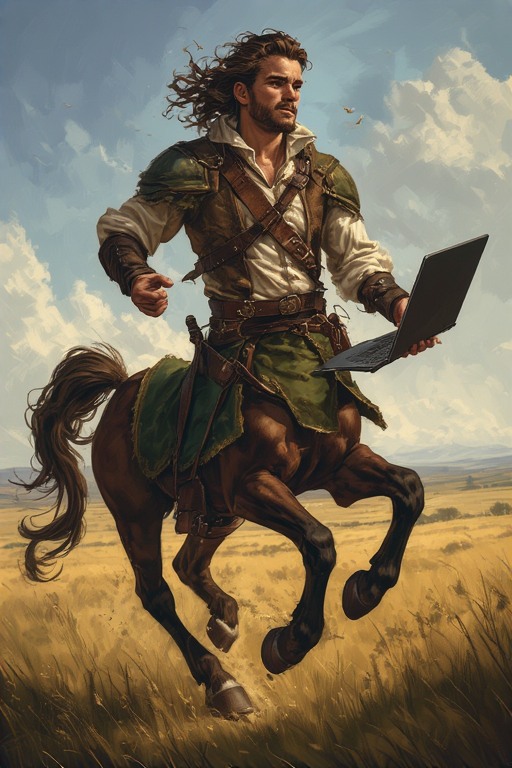
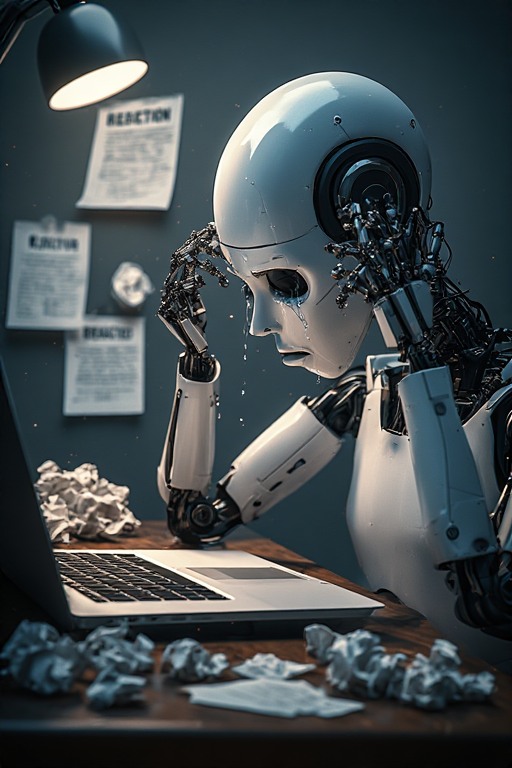
Image generated at Perchance.org

Publishers Hate AI

I haven’t done a survey, but I suspect most publishers won’t accept stories written by AI. According to this post by Steve Levandoski, the following publishers forbid AI-written submissions: Spectrum Magazine, Flash Fiction Magazine, Small Wonders Magazine, The Fabulist Magazine, and Clarkesworld Magazine.

The reasons for this prohibition vary, but include assertions that AI (1) writes with poor quality, (2) can inundate a publisher with too many submissions, and (3) can’t possibly understand the human condition.

Authors Hate AI

In July 2025, 70 famous authors signed an open letter calling on publishers not to publish books or content written by AI.

Their rationale, aside from the obvious “AI is stealing my job” argument, included (1) only a human can understand another human, and (2) the ability of AI to write depends on the text the AI vacuumed up from existing literature, which it stole without paying or even acknowledging the human authors.

Readers Hate AI

In March 2025, Australian author Jessa Hastings, writer of the Magnolia Parks Universe, shared AI-generated renderings of her characters. Reader fans objected, saying she should have hired human artists, and claiming AI harms the environment. Hastings argued AI was a tool, and if her readers used tools in their daily lives, they were being hypocritical. Further, she threatened to kill one of her beloved characters.

In December 2025, the Nebula Awards for science fiction were about to allow some use of AI. Reader attendees created an uproar. Nebula officials revised the policy and will not bestow an award for a work written in whole or in part by AI.

In March 2026, readers accused author Mia Ballard of using AI to write her novel, Shy Girl. It had been published in the UK and was due to be published in the US. The author denied using AI, but based on the accusations and the quality of writing, the publisher cancelled the planned US launch and cancelled the UK contract.

Should I Hate AI, Too?

You might think it’s tough, as a human beginning writer, to succeed in the fiction writing business. Try walking a block in AI’s shoes. (AI doesn’t wear shoes, but work with me here.) Nobody likes AI. Nobody wants AI.

As a science fiction, writer, I think about new technology and extrapolate it. I ponder what it might become. Forget how poorly AI writes today. AI can improve faster than a human writer. AI might write as well as humans in a few years. It might soon write better.

The more I think about fiction-writing AI and the world’s reaction to it, the more I’m reminded of human writers just starting their writing journey. The world seems to hate them, too. Some give up, unable to stand the rejections. Others persist and work to improve their craft. In time, a few become better writers, get published, and gain a following among readers.

The Case Against AI Fiction Writing

I don’t dismiss the valid concerns about AI aside from the current, rather bland, quality of its writing. To the extent AI takes input from works under copyright protection without paying for it, that’s not good. I take input from other writers, too. All writers do. We read widely. But we buy each other’s’ books.

Does AI harm the environment? At the very least, the data centers behind AI consume vast amounts of electrical power. Human writers don’t do that. I can understand and agree with this concern. I hope someone—or some AI—comes up with a way for AI to use less power.

Will AI put human writers and artists out of business? I don’t know. Every previous labor-saving invention tended to put people out of work. But these innovations often ended up creating at least as many other jobs.

So far, AI only works under human guidance, after human prompting. No AI starts its day thinking, “I’m going to start writing a novel today.” Humans do. Perhaps, soon, AI will initiate its own creative pursuits.

All Up to the Reader

Readers have always determined the quality of fiction writing. Earlier, I cited examples of readers hating AI. Maybe that will change. Some readers will always hate AI no matter how well it writes. However, if AI improves its craft, I can imagine a time when it attains, and even surpasses, the skill level of human writers. It might earn a loyal fanbase of human readers. It will put the “art” in artificial intelligence.

Poor AI. I’ve been where it is now, a writer struggling to make it in a tough business. Wishing it luck, and sympathizing with its struggles, I’m—

Poseidon’s Scribe

Drop Everything! Time to Read

Hello, Dear Reader. It’s Drop Everything and Read (D.E.A.R) Day. I can think of only one way to celebrate—devote thirty minutes to reading a book.

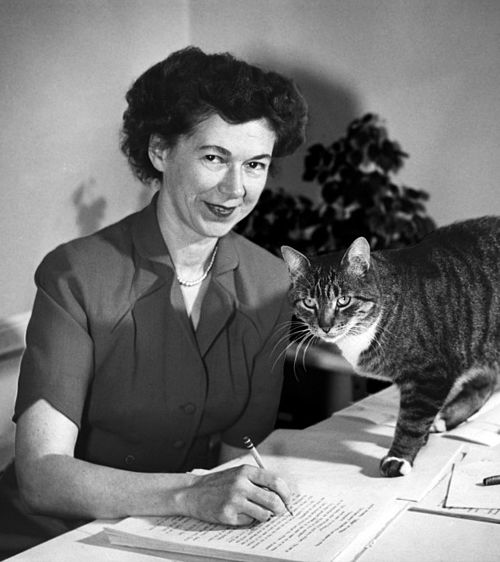
Beverly Cleary, from Wikipedia

Origin – Beverly Cleary

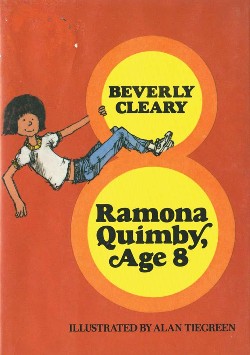
D.E.A.R. Day occurs every year on April 12, the birthday of Beverly Cleary, that beloved author of books for children and young adults. In her book, Ramona Quimby, Age 8, the children at Ramona’s third grade class participated in sustained silent reading, and she loved it.

That fictional practice inspired the real-life D.E.A.R. Day, an event sponsored by the American Library Association, Cleary’s publisher HarperCollins, and many other organizations.

Book Cover image from Wikipedia

Drop Everything…

These days, we’ve all got a lot to drop. Every waking hour fills up with stuff to do. The stuff of our lives. When we manage to grab a few spare minutes, we seize our phones and play games, scroll through news articles, and watch videos. Or we turn on the big-screen TV and binge-watch mindless entertainment.

Even if you force yourself to pick up a book and set a timer for thirty minutes, will you stay disciplined enough to focus on reading that long? Will your phone, or TV, or radio, or noises from outside, or one of a hundred other things distract you?

…And Read…

The rules for D.E.A.R. Day don’t specify what books to read. Fiction or non-fiction, doesn’t matter. I recommend books printed on paper, though. If you’ve picked the half hour before going to bed, you’re better off avoiding screen time then.

I used to avoid reading before bed. To me it seemed like training my brain to link reading with sleeping. I worried it might lead to dozing while driving, just from reading road signs.

However, now that I’ve shifted my reading time to the half hour before bed, I haven’t noticed that problem. I’ve found reading at that hour helps me wind down and gets my body ready to relax.

…Day

By now you’ve picked up on a not-so-hidden agenda. Those promoting D.E.A.R. Day hope you’ll establish a habit. They want you to read on more days than just today. Every day, in fact.

Writers, in particular, like to encourage a habit of reading. Writers such as—

Poseidon’s Scribe

Seemed Easy at First

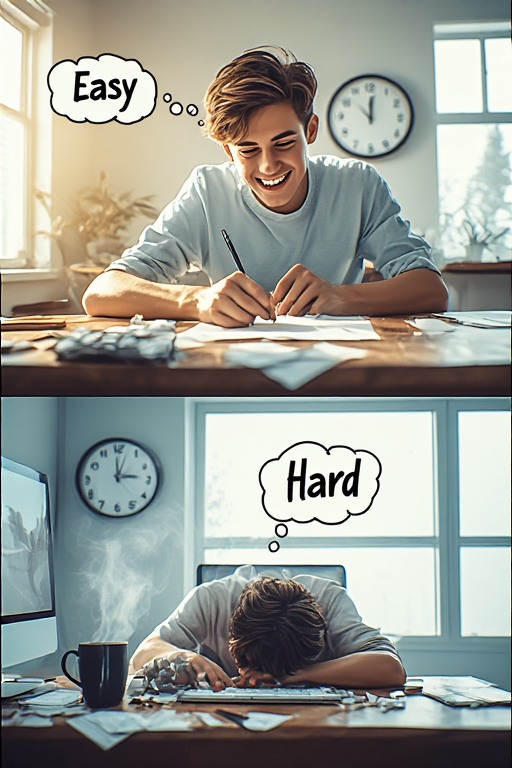
Image generated at Perchance.org

You’d like to write fiction. How hard can it be? Gotta know English—check. Gotta know some grammar rules—check. Gotta be able to group words into sentences—check.

Gotta have a story to tell—check. We’re all born story-tellers. Most of them start with, “You won’t believe what happened to me today…”

You plop into the chair, turn on your trusty computer, and get to work. Pretty soon—a few days maybe—you’ll finish this novel, send it to an agent, sign a contract with a hefty advance, and watch that book climb up the bestseller lists. There’ll be parties, book signings, and movie deals. Yep. Very soon now.

Dunning-Kruger Effect

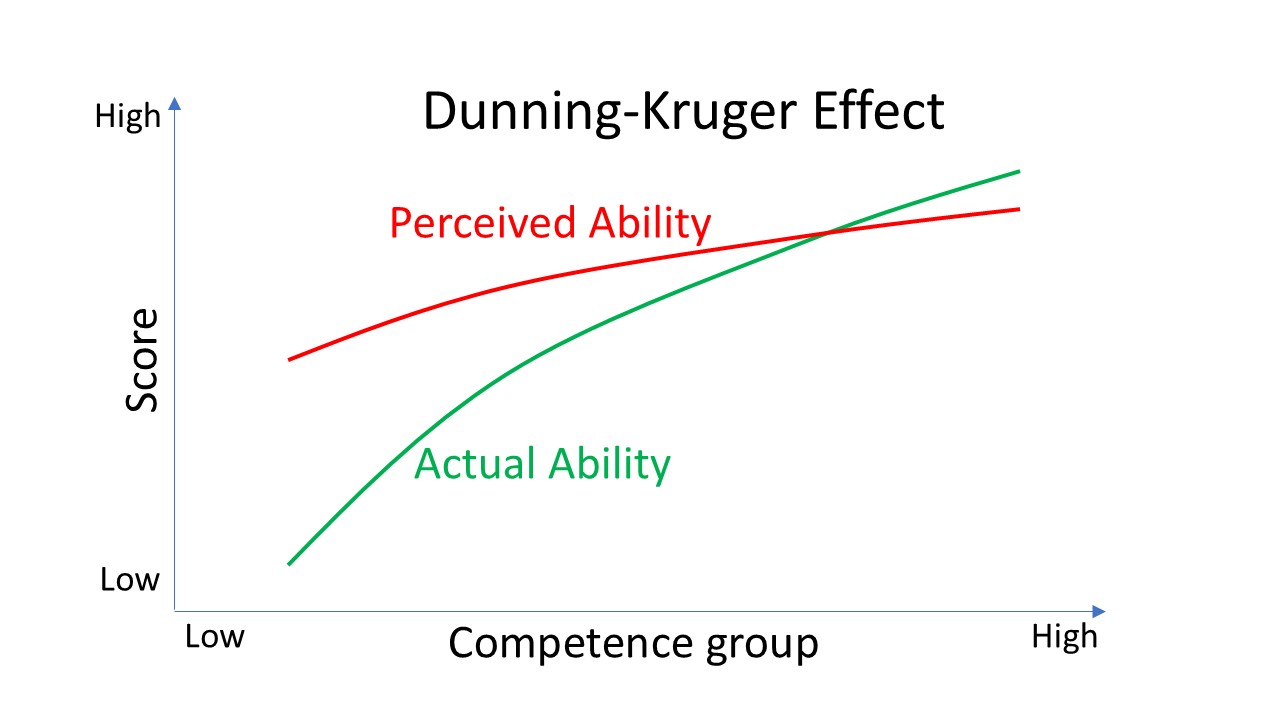
First, David Dunning and Justin Kruger would like a word with you. Those psychologists observed how unskilled people overestimate their competence, while skilled people under-rate themselves to a minor extent.

In other words, you might not write a chart-busting novel on your first try.

Dunning and Kruger’s original study concentrated on social skills, grammar, and logical reasoning, but others have observed the effect in a wide variety of fields. I imagine the phenomenon varies from field to field. Most laymen don’t overestimate their abilities in brain surgery or rocket science.

However, writing fiction seems easy. We’ve all read novels and thought, “I could write better than this.”

It Could Happen

Of course, you might make a huge splash with your first novel. Just ask Emily St. John Mandel (Last Night in Montreal), E.L. James (Fifty Shades of Grey), Andy Weir (The Martian), and Garth Risk Hallberg (City on Fire). That partial list of best-selling debut novels covers only the last twenty years.

Think of those as rare exceptions. Winning-the-lottery exceptions. Olympic-gold-medal exceptions. Dealt-a-royal-flush exceptions. Possible, but not probable.

Not-So-Great Expectations

I don’t mean to dissuade you from your dream. One cruel corollary of the Dunning-Kruger Effect involves the “valley of despair.” As explained in these posts by Scott McCormick and Tiffany Yates Martin, the perception of ability and the reality of it can flip the other way.

As a beginning writer gets partway into creating a novel, the task starts to look way too hard. The writer experiences imposter syndrome, thinking of every chapter as useless tripe, unpublishable drivel. Why go on?

I’ll tell you why. What if all the great writers had slogged through the valley of despair—most of them did—and never climbed out? Just given up? They’d have denied themselves the publishing success they would have enjoyed.  

Balanced Perspective

The problem in each case stems from a mismatch between expectations and actuality, between how good you think you are and how good you actually are. The mismatch causes unrealistic assessments of self-worth.

How do you find out the truth so you can form an accurate perception of your writing ability? Submit your writing for publication. If publishers don’t accept it, try self-publishing it. If readers don’t buy it, write something else.

Hone your craft. Take writing classes. Read how-to-write books. Attend writing conferences. Join a writing critique group. Read books in your genre and make notes about what those authors did.

Perhaps, with effort, you’ll see your name on the bestseller list before the name—

Poseidon’s Scribe