
Millions of my fans well remember when I first posted back on February 24, 2013 about assembling a planet. That seminal blog post dominated the news and captivated the world (our world, the real Earth, I mean).
Why revisit the topic, then? Has the process of world-building changed? Well, some links in that previous post don’t work, and it’s time for an update with some better information.
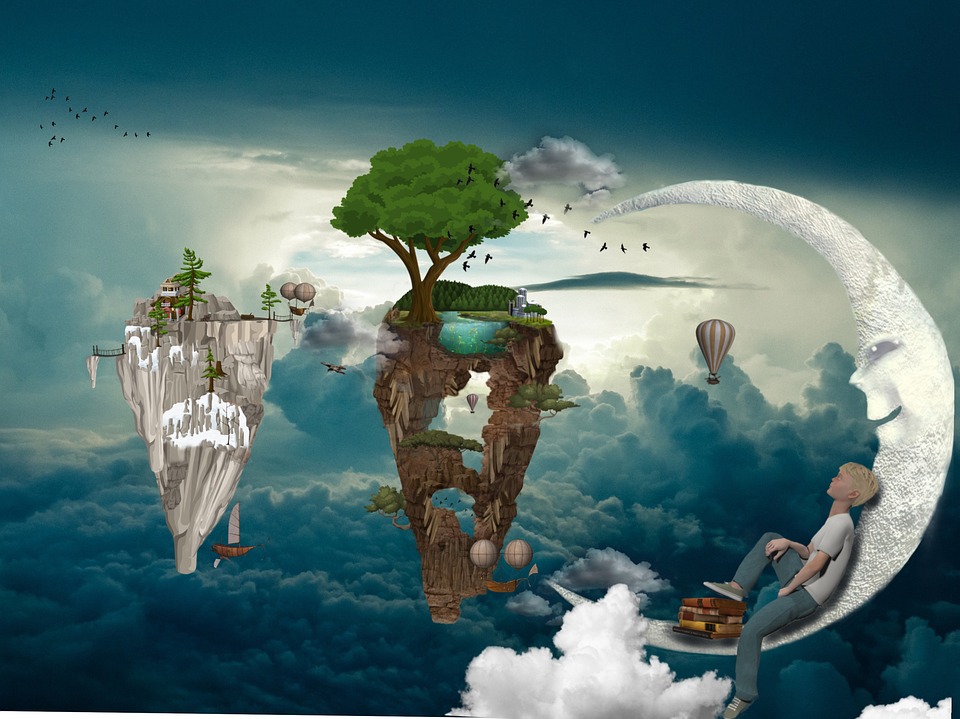
Here you are, ready to write a story set in a world different from ours, and you want to know how to do it. Or you’re partway through writing the story already, things aren’t working out, and you want to know where you went wrong.
You can get good information from reading the Wikipedia article on world-building. Roz Morris’ post on the topic encapsulates her advice into three rules. Ruthanne Reid posted a fine article discussing approaches to world-building. What follows is my view of the topic, but you should review these other sources, too.
Here are my four rules for creating a world for your story:
- Think through the consequences. You’ve thought of some interesting and original ways that your world is different from the real one…great. But have you thought through the ramifications? Think of Frank Herbert’s Dune and Arrakis, the desert world. Herbert thought through the implications of that type of climate on people’s behavior, clothing, lifestyle, and other animal life.
- Set limits on your magic or technology. Sure, it’s fun to imagine a world of amazing magic or super-advanced technologies. But add some constraints. If your protagonist is some all-powerful wizard, then she or he could simply wave a wand and resolve the conflict in the opening scene. Story over.
- Make your world clear to readers. Authors who set their stories in the real world have it relatively easy. They can assume readers understand the rules and norms. They needn’t spend many sentences describing the Earth we know. You don’t have that luxury. You’ll need enough (but not too much!) descriptive text to transport readers to your world.
- Be consistent. Sure, you’re thinking, you’ll remember the rules of your world as you’re writing your story. I wouldn’t add this as one of my rules if it were that easy. For some reason, there’s a tendency to forget and slip back into our own world.
Armed with my rules, you should now be ready to get out there and build your own world. It’s freely provided services such as this that makes millions around the world (the real one, our Earth) thrill to the mere mention of the name of—
Poseidon’s Scribe


 Author Andrew Gudgel and I were exchanging gifts at holiday time a few years ago. He’d been talking (for well over a year) about a story idea he had. I thought it was wonderful and kept urging him to write the story. Instead, as a gift to me, he said, “You write it.”